The rain in Valek doesn’t wash anything away. It only turns the city’s accumulated grime into a slick, charcoal-colored sludge that clings to your boots and slows your pulse. I stood in the shadow of a hollowed-out bus, watching the flickering halogen light of a checkpoint three blocks down. The Warden’s men were moving in a grid pattern tonight, their flashlights cutting through the mist like surgical blades.
I adjusted the strap of my rig. My breathing was rhythmic, shallow, practiced. In Valek, you don't survive by being the fastest; you survive by being the least significant thing in the environment.
The Frequency of Ghosts
My destination wasn't the extraction point. It was the St. Jude’s overflow wing—a crumbling concrete monolith that smelled of stagnant water and old medicine. Mara had been insistent. She claimed the signals weren't just noise or atmospheric interference from the black zone. She believed they were instructions, a repeating sequence that only became audible when the city’s power grid dipped below a certain threshold.
I reached the hospital’s service entrance, my hand hovering over the cold steel of the handle. I didn't go in blind. I waited. I watched the windows. I listened for the telltale shuffle of scavengers or the heavy, rhythmic thud of a patrol. When the silence felt heavy enough to be trusted, I slipped inside.
The interior was a graveyard of abandoned gurneys and shattered glass. I navigated the hallway by memory, my flashlight taped down to a sliver of illumination. Room Twelve was at the end of the hall, tucked behind a collapsed nurses' station.
Static and Consequences
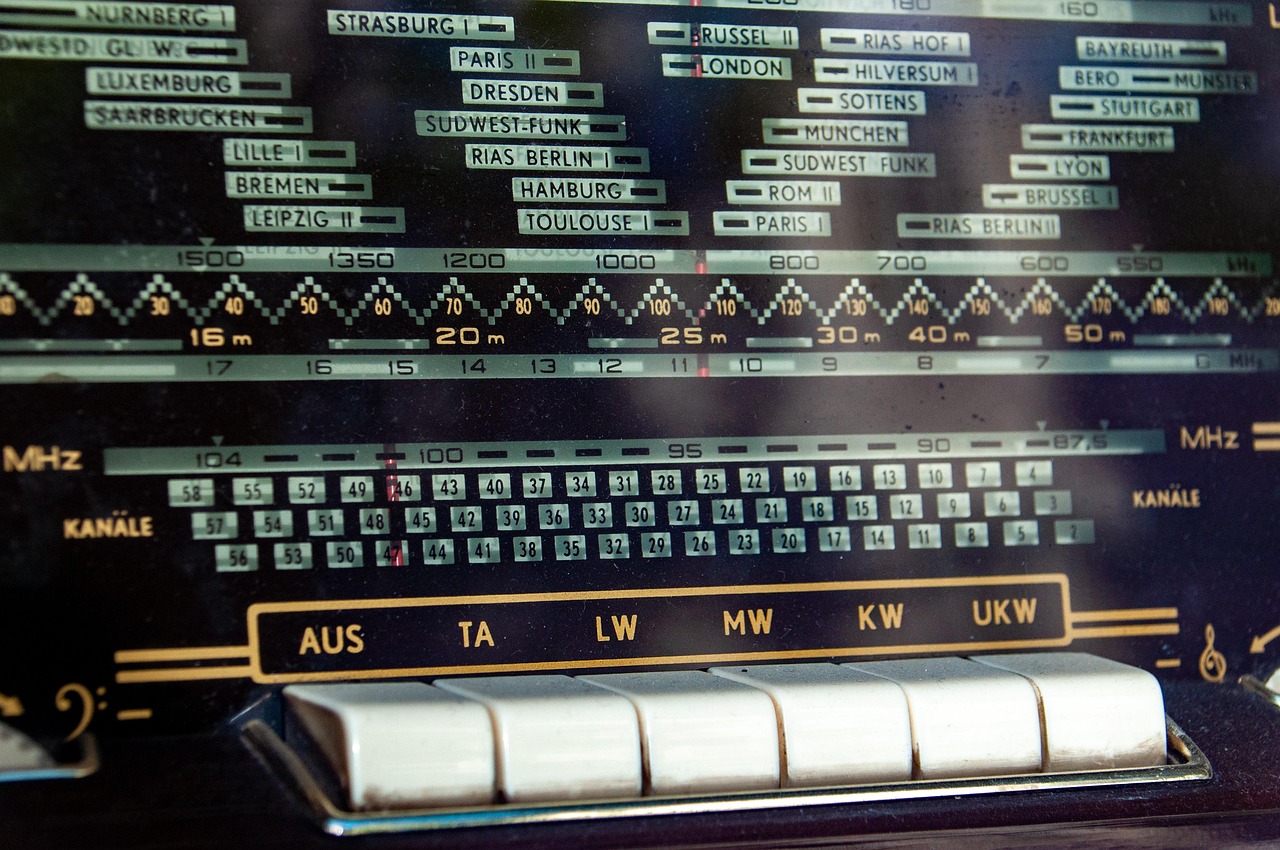
The radio sat on a rusted metal bedside table, a relic of a time before the quarantine walls went up. It looked impossibly small in the vast, rotting darkness of the room. I knelt, my knees popping against the linoleum, and clicked the receiver to life.
At first, there was only the hiss—the sound of a city dying. Then, the frequency shifted. A high-pitched whine pierced the air, followed by a voice that sounded like it was being dragged through gravel. It wasn't a broadcast. It was a loop.
"The gate doesn't open for the living. The gate opens for the weight."
I froze. The voice was distorted, but the cadence was unmistakable. It was Mara’s voice, recorded months ago, or perhaps centuries ago. My skin prickled. If she was the one sending the signal, she wasn't just observing the quarantine—she was orchestrating it.
A floorboard creaked behind me. Not the settling of a building, but the deliberate, calculated shift of someone wearing heavy-duty boots.
The Cost of Return
I didn't turn around. I didn't reach for my sidearm. I knew that sound. It was the heavy, labored gait of a man who had spent too long in the black zone. The Warden didn't come to Room Twelve to talk.
“You’re late, Elias,” a voice rumbled from the doorway. It was deep, resonant, and devoid of warmth. “You were supposed to find the truth, not just listen to the echoes.”
I stood slowly, the radio still humming its cryptic message between us. I looked at the dark silhouette in the doorway—the man who held the keys to the city’s throat. He wasn't holding a weapon. He was holding a small, silver key, turning it over in his fingers with a rhythmic metallic click.
“The signal isn't for extraction, is it?” I asked, my voice steady despite the adrenaline flooding my system. “It’s a countdown.”
The Warden stepped into the sliver of moonlight filtering through the broken window. His face was a map of scars and unresolved history. He smiled, but it didn't reach his eyes. “Valek isn't a prison, Elias. It’s a filter. And you’ve just proven that you’re the sediment we can’t afford to keep.”
Outside, the distant hum of a transport drone began to rise, vibrating the glass in the window frames. The extraction wasn't coming for me. It was coming for the building.
I looked at the radio, then back at the Warden. I had exactly six seconds to decide if I was going to fight for the truth or run for my life.
I reached for my knife.